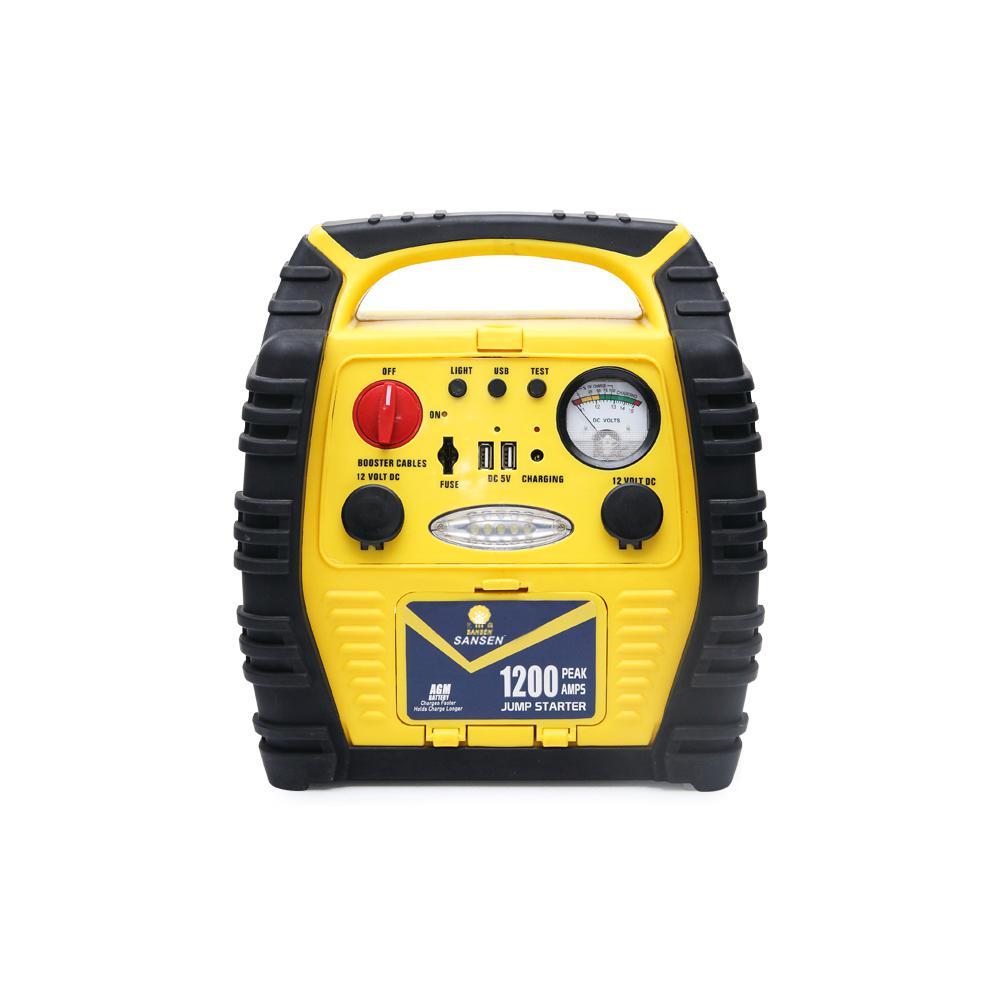
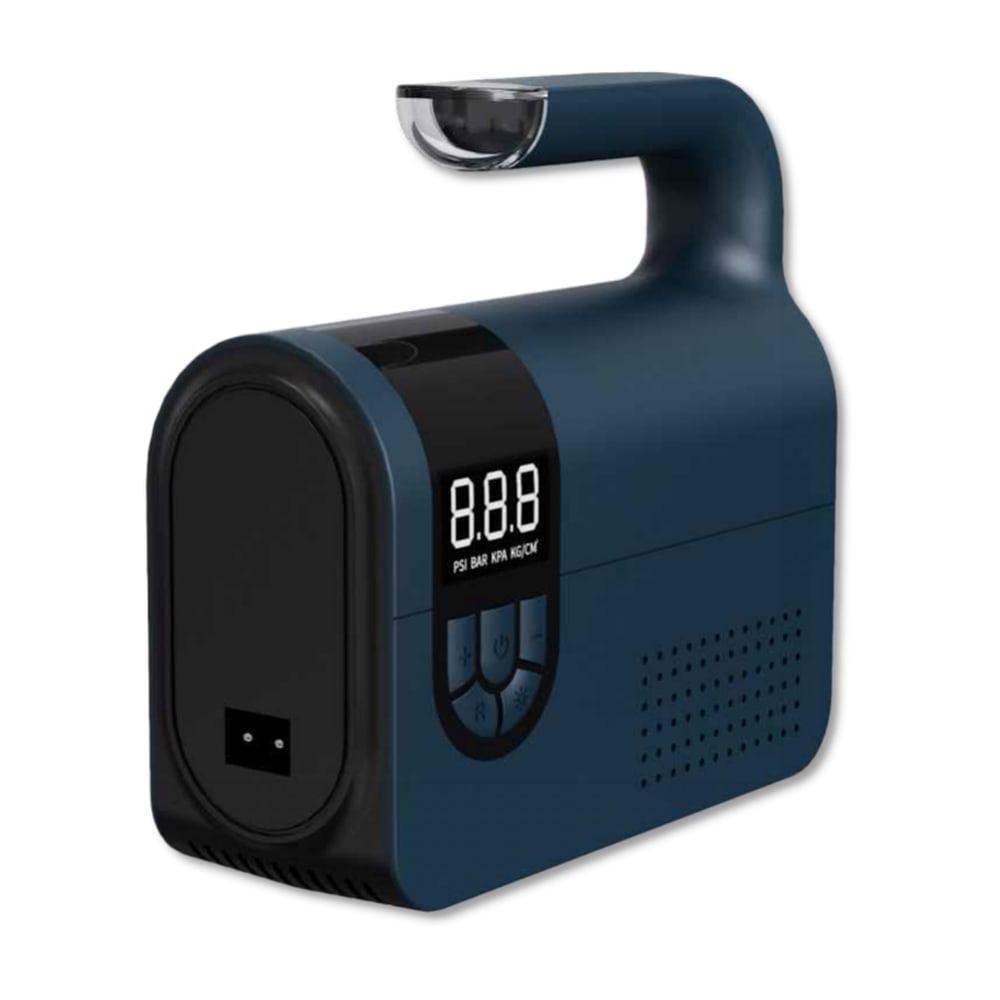
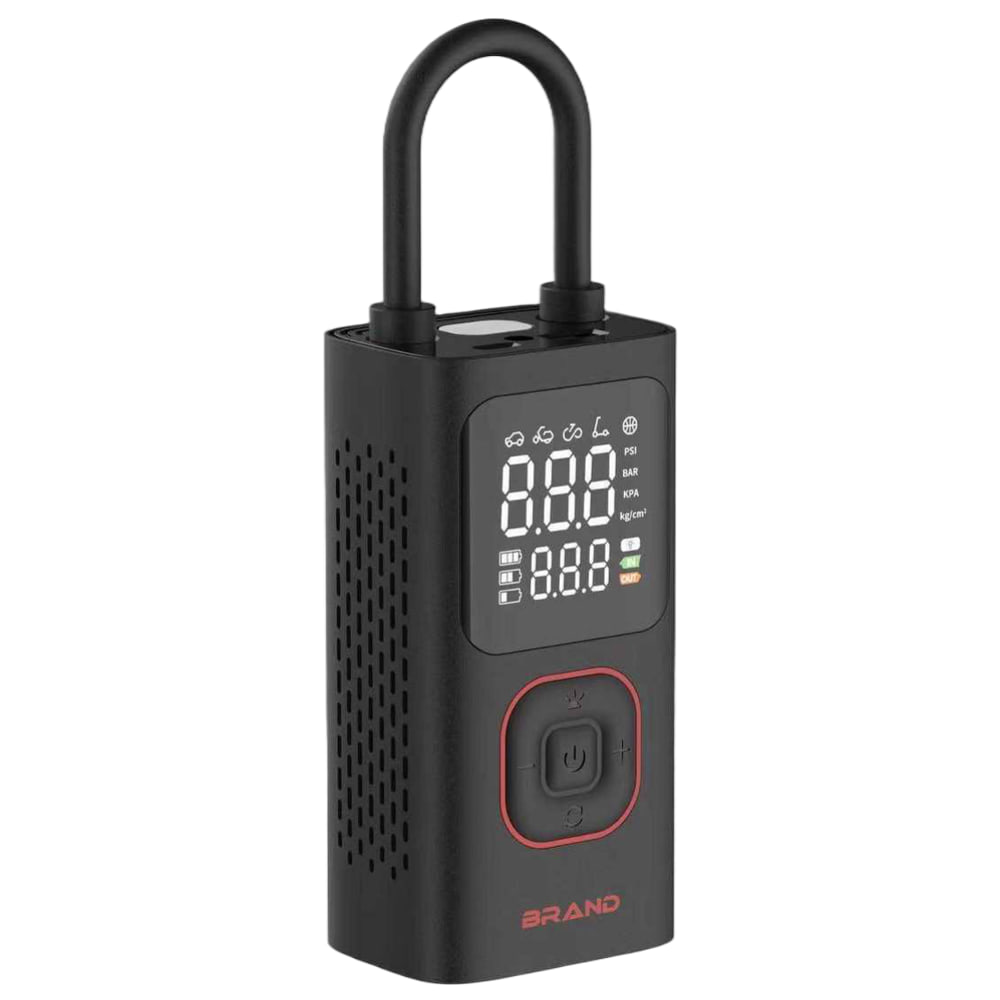
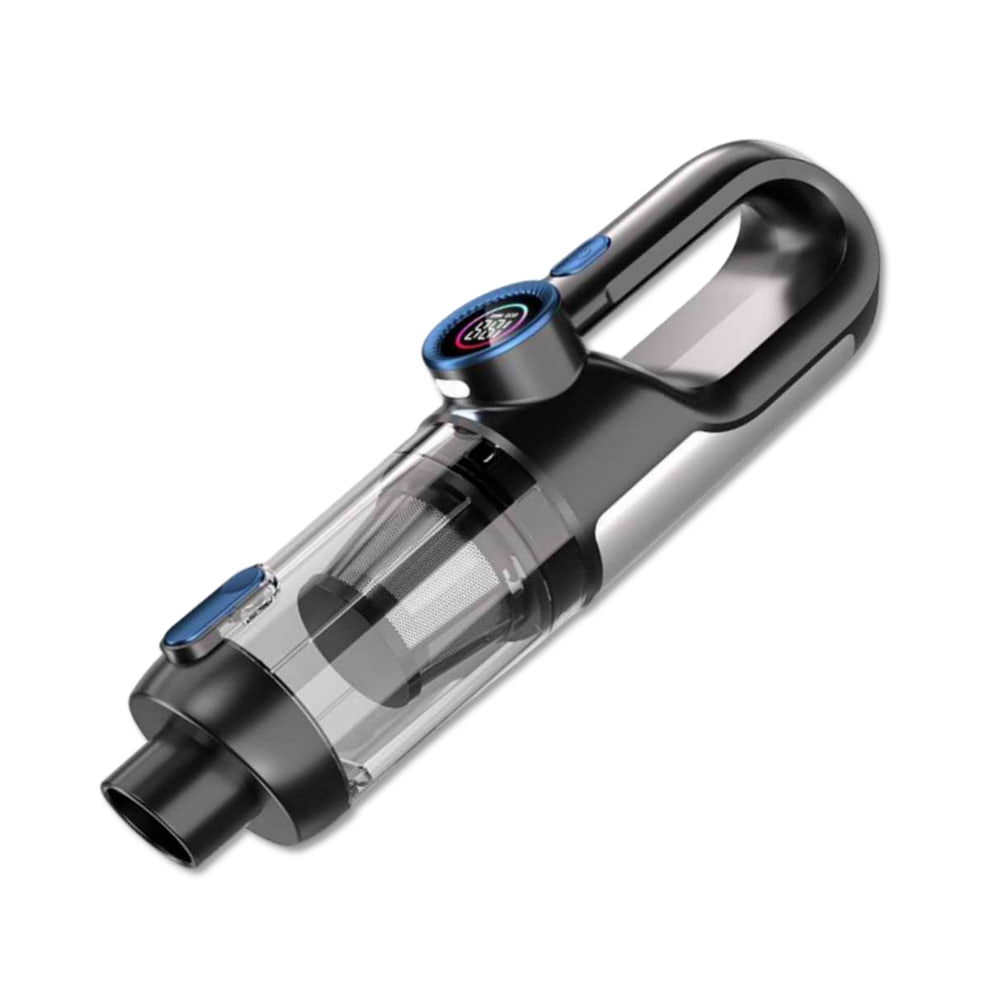
Which UN number applies to the goods in the carton?
It depends on how the cell or battery is presented for transport, not on the retail name of the product. A lithium-ion battery shipped by itself is classified differently from one packed in the same box as a device, which is again different from one installed inside the device. Establish this with the forwarder from the packing configuration, then keep the same classification across the declaration, the label and the invoice.
| How it ships | Typical classification family | Example | Question to settle before booking |
|---|---|---|---|
| Lithium-ion batteries shipped alone | UN3480 | A carton of spare battery packs | Is each cell or battery protected against short circuit and individually packed? |
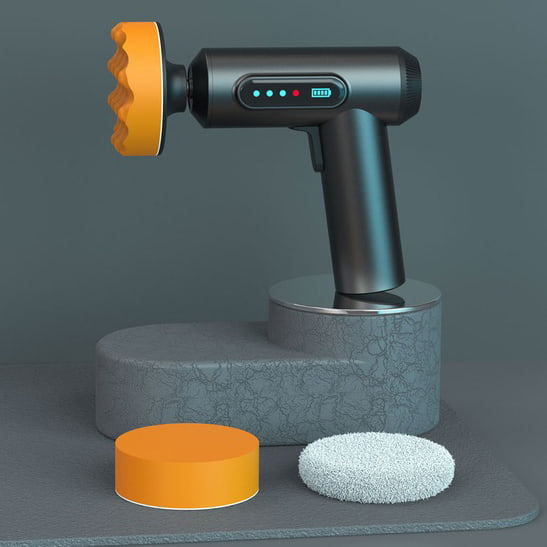
| Lithium-ion batteries packed with equipment | UN3481 | A jump starter packed in the same box as a separate clamp or accessory kit | Are the batteries and the equipment in the same outer package but not installed? |
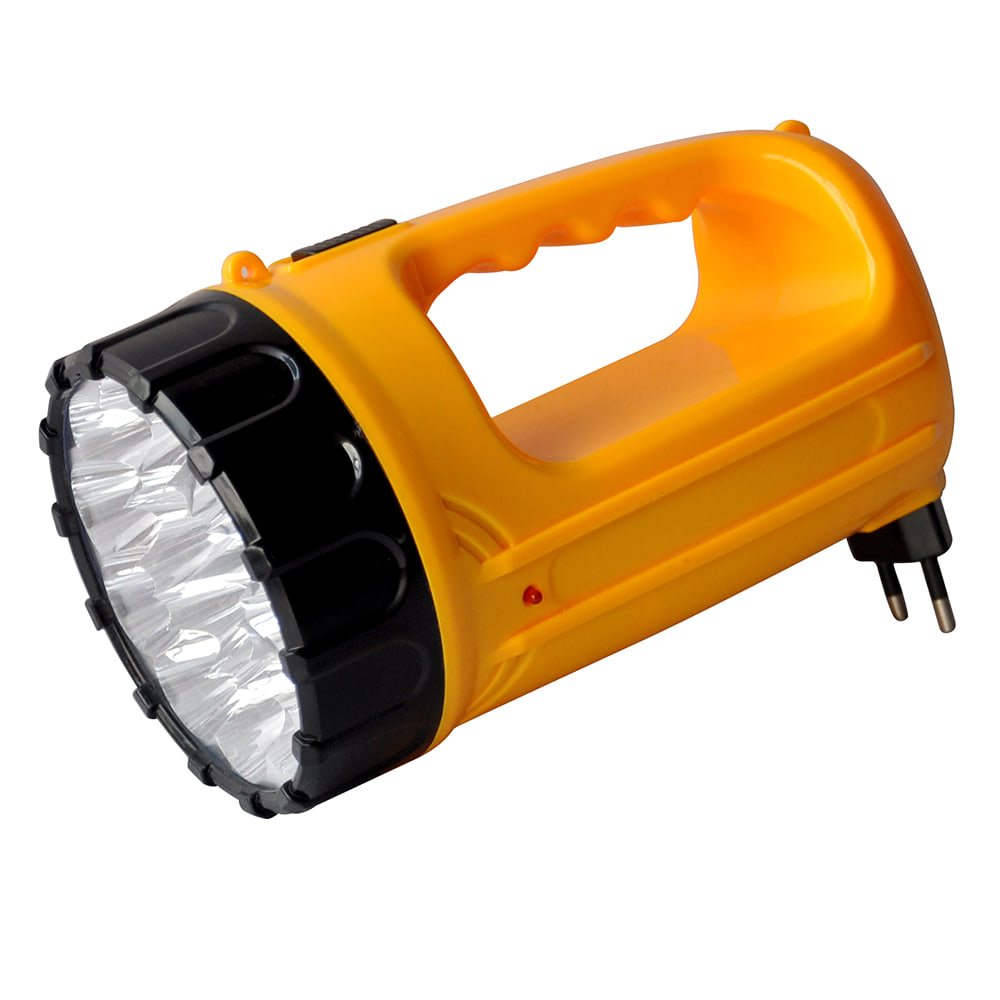
| Lithium-ion batteries contained in equipment | UN3481 | A work light or booster with the cell installed inside the housing | Is the device protected against accidental activation during transport? |
| Lithium-metal cells or batteries | UN3090 or UN3091 | Coin cells in an accessory or remote | Is the chemistry lithium metal rather than lithium ion? |
What is a UN38.3 test summary and what does it cover?
It is the record showing that the cell or battery design has passed the transport tests set out in the UN Manual of Tests and Criteria, subsection 38.3. The summary is issued at cell or battery model level and must be available from the manufacturer or distributor. It is not a product certificate for the whole appliance, and it is not a substitute for a safety data sheet. Check the model identifier, chemistry, watt-hour rating and the date, and confirm whether the report refers to the cell, the pack or both.
- T1 Altitude simulation and T2 Thermal test cover low pressure and temperature extremes.
- T3 Vibration and T4 Shock cover mechanical stress in transit.
- T5 External short circuit covers a fault at the terminals.
- T6 Impact or crush covers mechanical abuse of cells.
- T7 Overcharge applies to rechargeable batteries, and T8 Forced discharge applies to cells.
Why does state of charge matter for air freight?
For lithium-ion cells and batteries shipped on their own by air, the regulations limit the state of charge to a low level, commonly expressed as not exceeding 30 percent of rated capacity. Some consignments above a stated watt-hour threshold additionally require airline approval, and passenger aircraft rules are stricter than cargo aircraft rules. A device with the battery installed is treated differently from a standalone pack, and a full retail-ready charge can therefore make an otherwise valid air booking invalid.
| Transport mode | Typical constraint | What the importer should confirm |
|---|---|---|
| Air, batteries alone | Low state-of-charge limit, packing instruction and carrier acceptance | Measured state of charge at handover and the applicable packing instruction |
| Air, batteries in equipment | Device protected against activation, package limits and declaration | Whether the battery is installed, and the watt-hour figure per package |
| Ocean, full container | Dangerous-goods booking, segregation, marking and documentation | Carrier dangerous-goods acceptance deadline and the correct declaration |
| Courier or parcel | Strict weight and quantity limits, often no standalone cells | Whether the courier accepts the specific UN number and packaging type |
What documents must agree with each other?
Every document should describe the same battery in the same units. The most common rejection is a mismatch rather than a missing file: the test summary names a cell model, the SDS names a different pack, the invoice shows a retail product name, and the declaration states a watt-hour figure that nobody can reconcile. Build a one-page reconciliation sheet and check it before the booking is filed.
| Document | Usually issued by | Consistency check |
|---|---|---|
| UN38.3 test summary | Cell or battery manufacturer, based on lab testing | Model, chemistry, Wh, date and edition match the pack used |
| Safety data sheet or SDS | Cell or battery manufacturer | Same chemistry and model family as the test summary |
| Packing list and commercial invoice | Exporter | Product name, quantity of cells or batteries, and net weight align with the declaration |
| Dangerous-goods declaration | Forwarder or declared shipper | UN number, packing instruction, class and package count match the cartons |
| Product specification card | Exporter | Wh, capacity and model number match the retail carton and the summary |
| Transport and packing marks | Exporter under forwarder instruction | Lithium battery mark, labels and orientation marks as required for the mode |
Who issues what: factory, laboratory or forwarder?
The split is worth agreeing in the purchase order, because it determines the lead time. The factory supplies the product-level evidence: the cell and pack specification, the applicable test summary, the SDS and the packaging configuration. An accredited laboratory issues the underlying test reports when new testing is required. The forwarder converts that into transport documents: the booking, the dangerous-goods declaration, the labelling instructions and the carrier acceptance. Confusion usually appears when one party assumes another has already done a step.
- Ask for the document list and the responsible party for each line at quotation stage, not after production.
- Allow time in the calendar for fresh testing or a reissued summary if the cell model changes.
- Require written notice of any change to cell supplier, pack assembly or packaging configuration.
- Keep the final document set with the shipment file and the batch reference so that a later consignment can be reconciled.
What should the packing and labels show?
Packages must protect terminals against short circuit, prevent accidental activation of devices, withstand the normal conditions of transport, and carry the markings and labels required for the UN number and mode used. A retail carton designed for a shelf is not automatically a qualified outer package for dangerous goods. Ask the forwarder to confirm the outer packaging specification and the marking layout before the cartons are printed, because relabelling a full container at the port is slow and expensive.
- Terminal protection and individual inner packaging for standalone cells or batteries.
- A device-level measure against accidental activation during transit.
- The lithium battery mark and any class label required for the applicable packing instruction.
- A document pouch or file reference that ties the carton to the declaration and the test summary.